tony.buy@gmail.com +86 186 0326 1208 WhatsApp: +86 186 0326 1208
ISO 5211 Torque Sizing RFQ Support EN

Industrial Automation · Smart Factory · Process Control

Valve Gear Operator Solutions for Industrial Automation Systems

Industrial automation systems depend on precise, reliable valve control for safe and efficient process operations. Valve gear operators are essential components that convert manual or motorized input into controlled valve movement, enabling accurate flow regulation, emergency isolation, and remote operation across automated facilities. Our heavy duty worm gear operators and bevel gear systems integrate seamlessly with electric actuators, SCADA platforms, PLC control networks, and Industry 4.0 infrastructure, delivering dependable performance for automated butterfly valves, ball valves, and process control systems in smart factories and industrial facilities worldwide.

ISO5211 Actuator Ready SCADA & PLC Integration Industry 4.0 Compatible

Industry Context

Reliable Valve Automation for Modern Industrial Facilities

Modern industrial facilities are embracing automation at an unprecedented pace, driven by the need for improved operational efficiency, enhanced safety standards, and reduced labor dependency. Valve automation is a critical component of this transformation, enabling precise flow control, remote monitoring, and rapid response to process conditions. The gear operators under consideration are engineered to meet the demanding requirements of automated valve systems across diverse industrial sectors including process manufacturing, chemical processing, water treatment, power generation, oil and gas, and general industrial infrastructure.

By providing reliable torque transmission and seamless actuator integration, the gear operators under consideration ensure that automated valve networks maintain consistent performance throughout their operational lifecycle. Engineers specify automation-ready topworks early in project design so manual operators installed at construction can accept electric actuators, position feedback devices, and control network interfaces without replacing valve assemblies. Whether the facility is a greenfield smart factory or a legacy plant undergoing digital transformation, valve gear operators form the mechanical foundation that connects process valves to centralized control strategies and distributed automation architecture.

The Growing Demand for Automated Valve Systems

Industrial automation is expanding across all sectors, with valve automation playing a central role in modern process control strategies. The gear operators under consideration support this evolution by providing reliable, automation-ready interfaces. Facilities upgrading from manual operation to remote control need standardized ISO5211 mounting, torque-matched configurations, and manual override paths that preserve operational flexibility. As labor costs rise and safety regulations tighten, automated valve networks reduce personnel exposure in hazardous areas while improving response times during process upsets. The project review process supports specification reviews during bid and design phases so automation investments deliver predictable performance across the valve population.
The Role of Valve Gear Operators in Automation

Valve gear operators serve as the critical mechanical interface between automation control systems and industrial valves. They provide torque multiplication, mechanical advantage, and reliable movement for automated operation. Electric, pneumatic, and hydraulic actuators mount directly to gear operator topworks, transmitting drive force through worm and bevel stages to valve stems. Self-locking worm designs hold position when actuators de-energize, supporting safe isolation without continuous power. Gear operators also preserve manual override capability so operators can maintain control during power interruptions, control system failures, or maintenance procedures — a requirement on virtually every automated valve specification.

Improving Process Reliability Through Automation

Automated valve systems reduce human error, improve response times, and enable consistent process control that manual operations cannot match. Reliable gear operators are fundamental to achieving these improvements. Programmed valve sequences coordinate with level, pressure, and flow instrumentation; SCADA platforms display real-time position status; and alarm logic triggers rapid isolation during abnormal conditions. When gearboxes operate smoothly under actuator drive and hold position reliably between cycles, automated networks deliver the operational confidence plant managers expect. Controlled manufacturing and model-specific torque verification should be required from the selected supplier before calculated performance is relied upon in service.

Automated Applications

Automated Valve Control Applications

Automated valve control is fundamental to modern industrial processes. The gear operators under consideration support automated butterfly valve systems for large-diameter flow control applications, automated ball valve systems for reliable shutoff and isolation, process isolation networks that require rapid and reliable actuation, chemical dosing systems demanding precise flow regulation, water treatment automation for consistent plant performance, and utility infrastructure control for steam, cooling water, and compressed air networks. Each application benefits from properly specified gear operators that provide the torque, control interface, and reliability required for long-term automated operation.

Application engineering begins with valve type, operating torque under process conditions, and the automation architecture planned for the facility. Quarter-turn worm gear operators pair with butterfly and ball valves on headers and utility lines; multi-turn units serve gate valves requiring extended stroke; dosing skids demand precise positioning repeatability. Integration with electric actuators and plant control networks should be evaluated during design — not deferred to commissioning — so mounting interfaces, torque margins, and override access align with operational requirements from day one.

Automated Butterfly Valve Systems

Large-diameter flow control in process industries. Worm gear operators provide the torque multiplication necessary for smooth automated operation under differential pressure and cyclic duty.

Automated Ball Valve Systems

Reliable shutoff and isolation with quarter-turn operation. Compatible with electric actuators for remote control, interlock logic, and integration with plant safety systems.

Process Isolation Networks

Rapid and reliable valve actuation for safety-critical isolation applications throughout industrial facilities — supporting ESD sequences and maintenance bypass procedures.

Chemical Dosing Systems

Precise flow regulation for chemical injection and additive dosing processes requiring accurate positioning and repeatable stroke control under automated supervision.

Water Treatment Automation

Consistent valve operation for filtration, chemical treatment, and distribution systems in water facilities — supporting remote monitoring and scheduled exercise programs.

Utility Infrastructure Control

Automated valve systems for steam, cooling water, compressed air, and other plant utility networks — enabling centralized control and energy management integration.

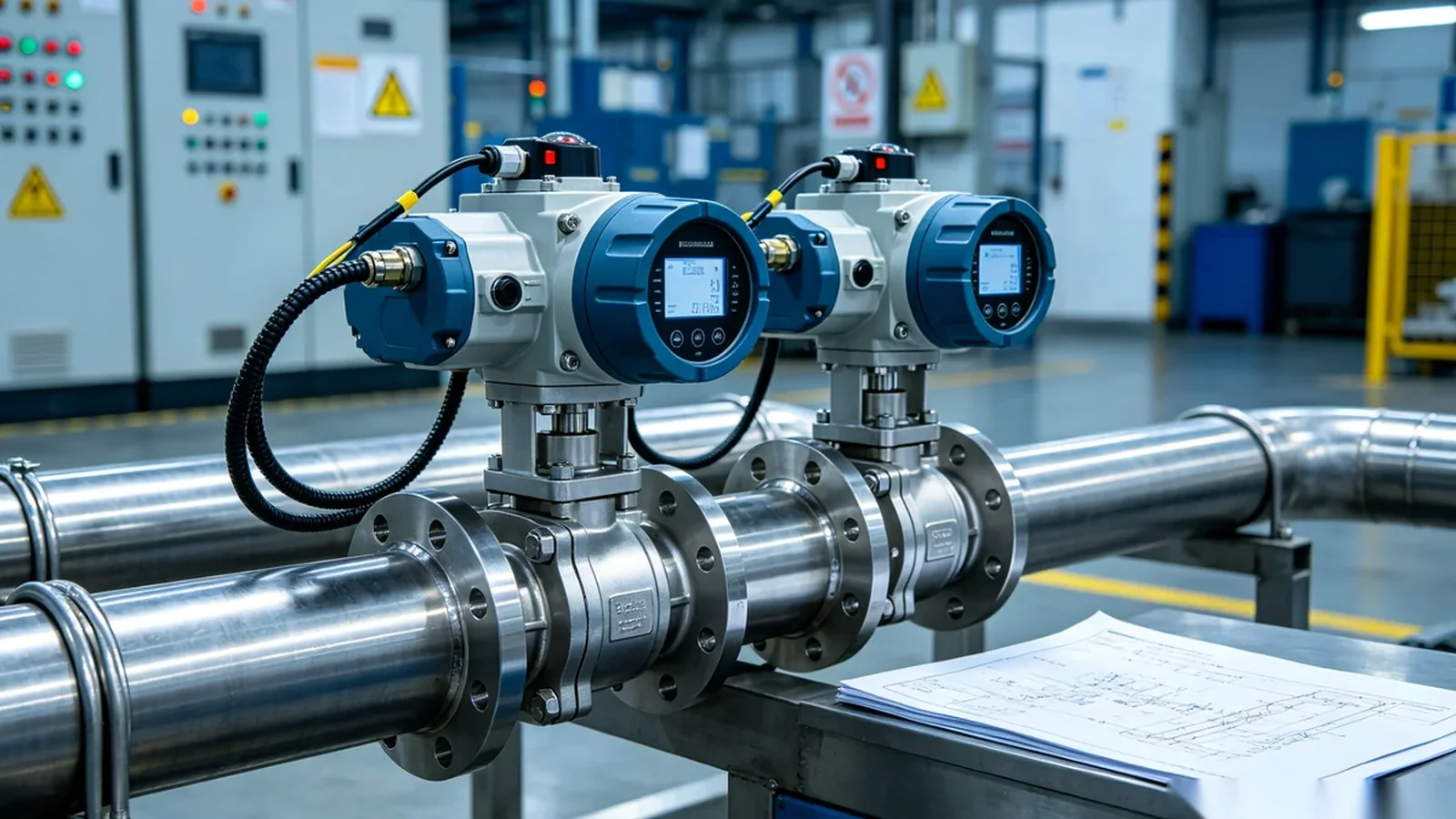
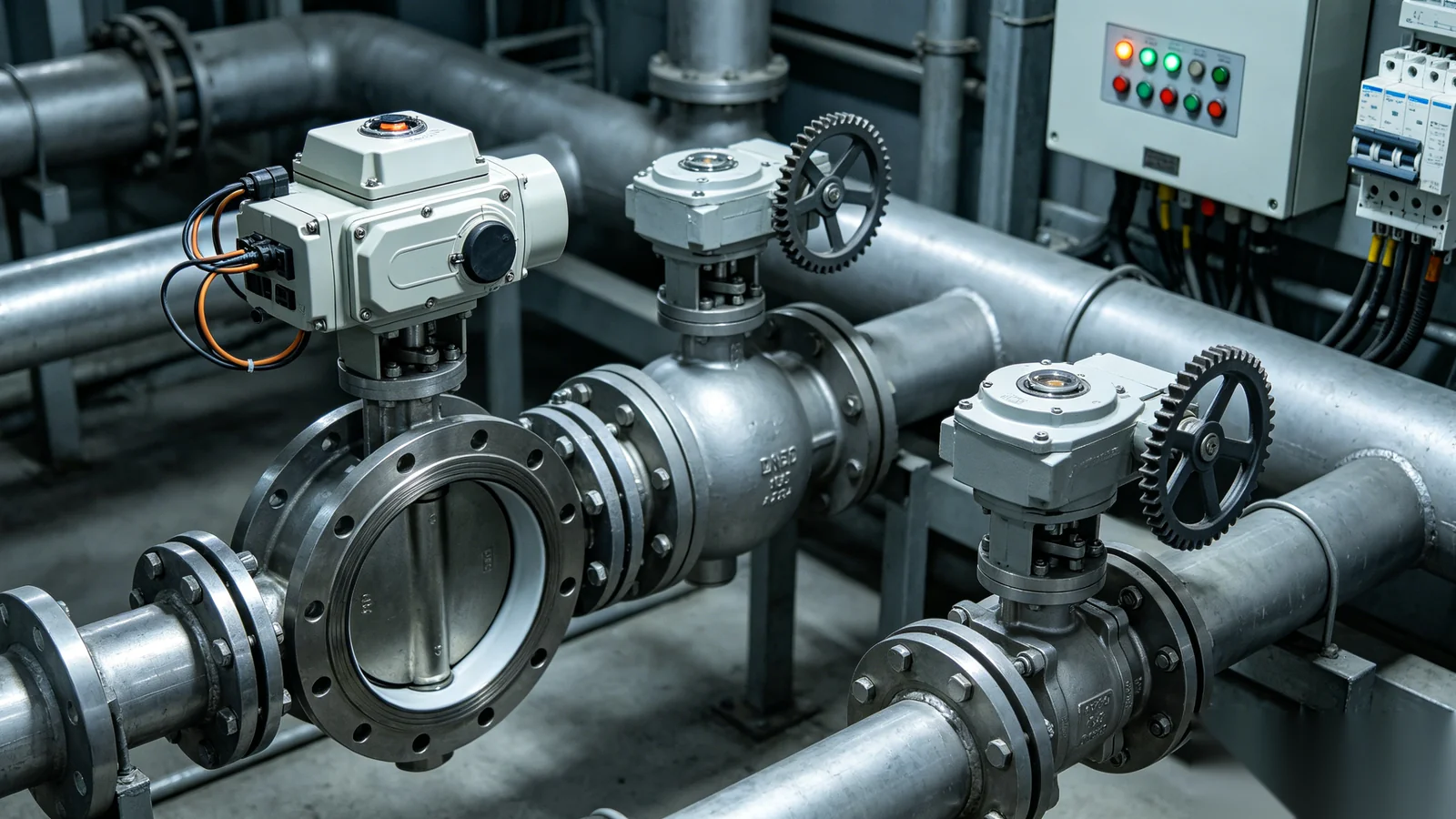
Automated butterfly and ball valves with gear operators in an industrial process facility
Flow ControlAutomated valve applications

Gearbox Engineering

Gear Operators Designed for Automated Systems

The gear operators under consideration are engineered from the ground up to support automated valve operation in modern industrial environments. Quarter-turn automation configurations serve butterfly valves, ball valves, and plug valves. Multi-turn automation solutions address gate valves and globe valves requiring multiple revolutions. High torque transmission systems provide the mechanical advantage needed for large valves under process pressure. Self-locking worm gear designs prevent unwanted valve movement caused by vibration or process conditions. Manual override functions provide backup operation during power interruptions or maintenance procedures. Automation-ready interfaces with ISO5211 mounting patterns enable seamless actuator integration without adapter plates or custom fabrication.

Quarter-turn Automation

Designed for butterfly valves, ball valves, and plug valves in automated process control systems — ratio options matched to break, running, and end torque requirements.

Multi-turn Automation

Suitable for gate valves and globe valves requiring multiple revolutions for full open/close operation — with thrust and torque capacity aligned to stem type.

High Torque Transmission

Worm gear systems provide the mechanical advantage necessary for large valves under differential pressure — verified through bench torque testing when specified.

Self-locking Designs

Worm gear configurations prevent unwanted valve movement from vibration, flow forces, or pressure fluctuations — holding position without continuous actuator power.

Manual Override Function

Allows manual valve operation during power loss, maintenance procedures, or emergency situations — declutchable and parallel handwheel options available.

Automation-ready Interfaces

ISO5211 mounting patterns and input shaft configurations for seamless actuator integration — compatible with leading electric actuator manufacturers worldwide.

Maintaining Manual Control During Automation Failures

Even the most advanced automated systems can experience power interruptions or control system failures. The gear operators under consideration incorporate manual override capabilities that allow operators to maintain valve control independent of electrical supply. Handwheel access, declutchable override mechanisms, and clearly documented operating procedures ensure that critical isolation valves remain operable when automation is unavailable. This redundancy is a standard requirement on automated valve specifications across process industries — and our gearboxes are engineered to satisfy it without compromising actuator mounting integrity or long-term automation readiness.

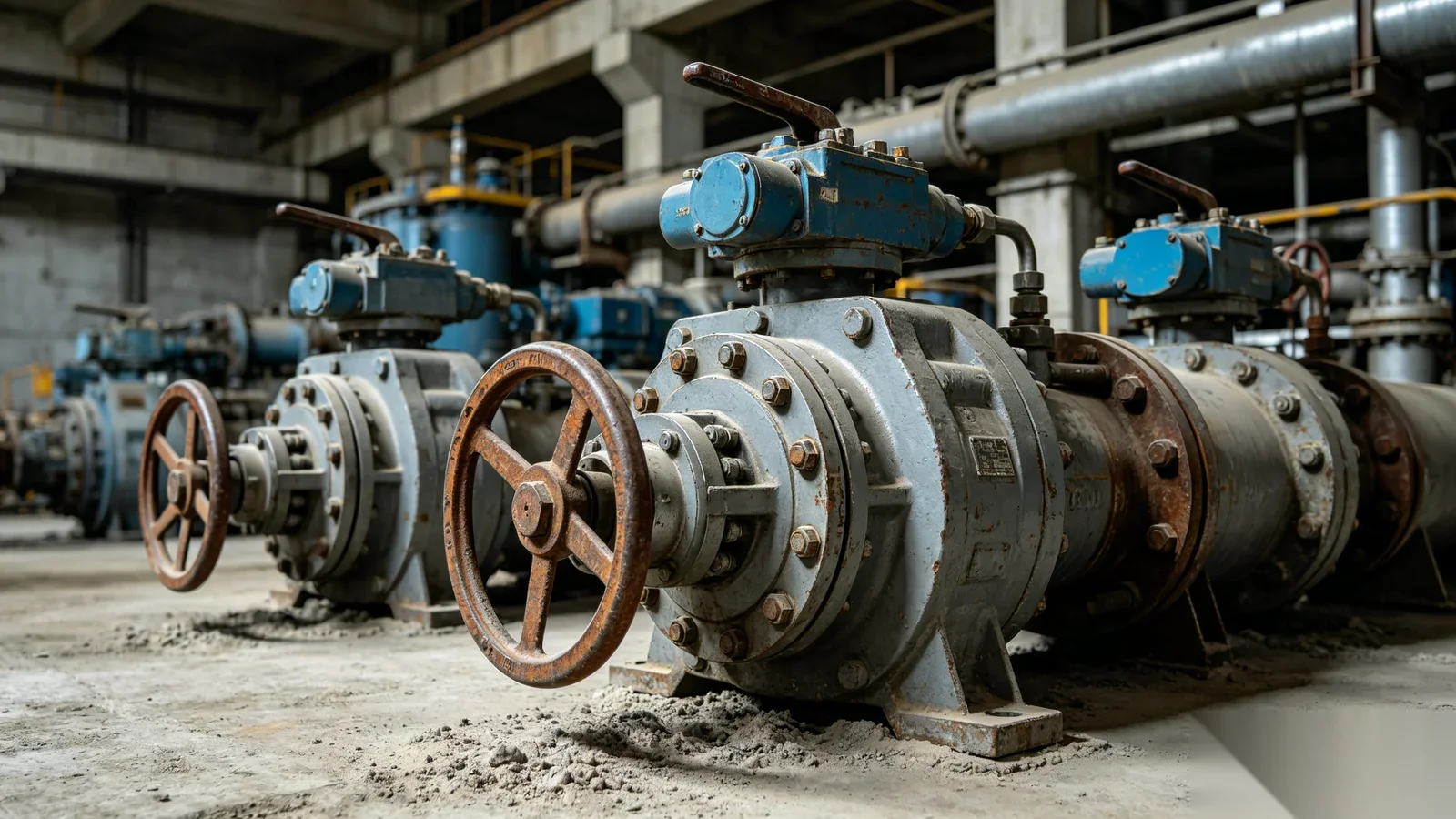
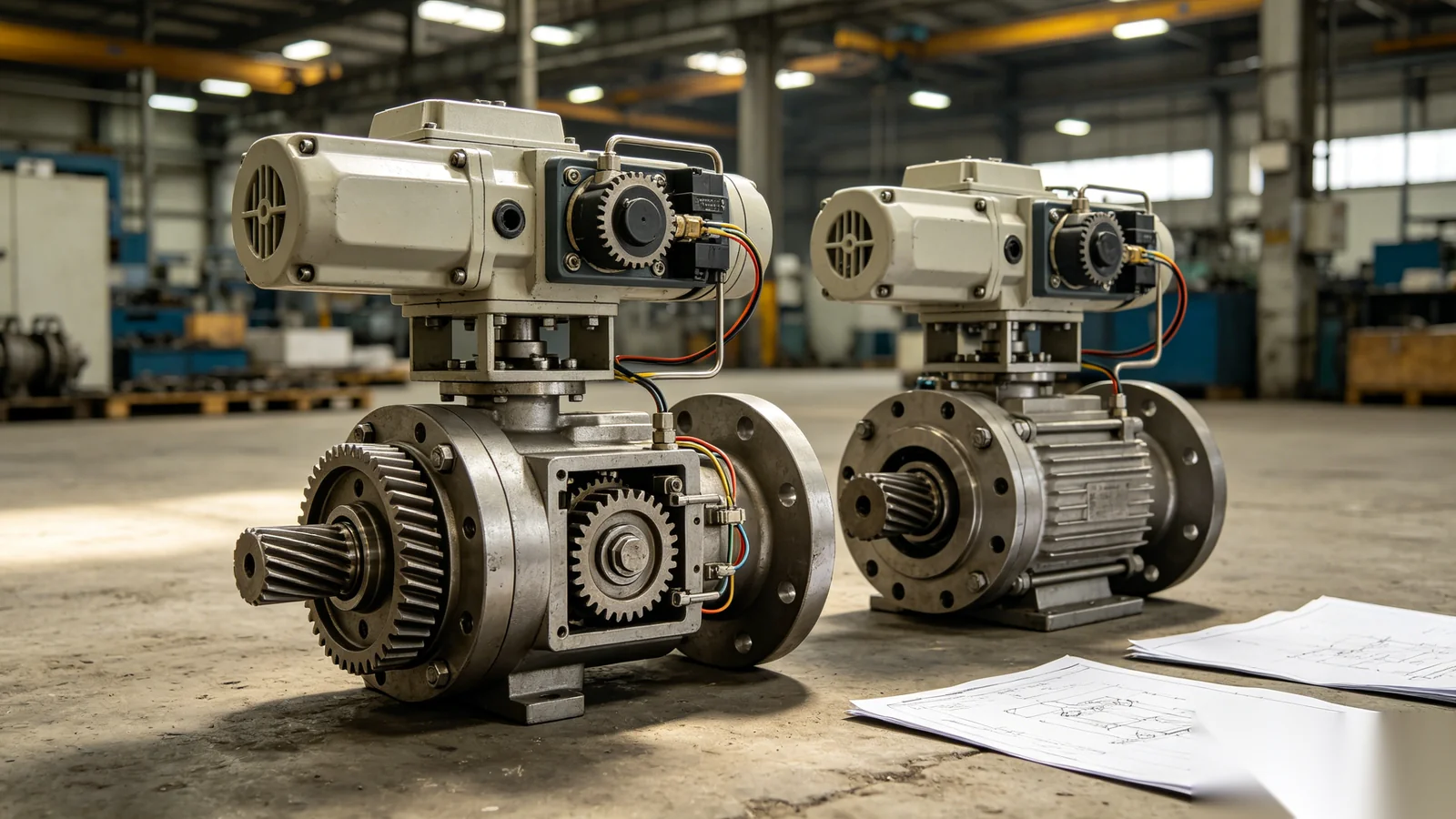
Automation-ready worm gear operator with ISO5211 mounting interface for electric actuator integration
ISO5211Automation-ready gear operators

Actuator Compatibility

Electric Actuator Integration Solutions

Electric actuators are the most common automation solution for modern industrial valve systems, providing reliable remote control, precise positioning, and integration with plant-wide control networks. The gear operators under consideration serve as the mechanical interface between electric actuators and industrial valves, providing torque multiplication, mechanical advantage, and reliable gear transmission. ISO5211 mounting compatibility ensures direct actuator mounting without adapter plates. Proper torque matching between actuator output and gear operator input ensures reliable operation throughout the valve stroke. Emergency manual override provisions allow backup operation independent of the actuator.

ISO5211 Mounting Compatibility

Standardized mounting interfaces ensure that gear operators can be directly paired with actuators from multiple manufacturers without custom adapters. ISO5211 flange patterns, stem heights, and drive bushings are machined to released drawings so procurement teams can source actuators and gearboxes independently while maintaining mechanical compatibility. This standardization simplifies spare parts management, reduces installation time, and supports future actuator replacement without valve topwork modification — a practical advantage on large automated valve populations across industrial facilities.

Torque Matching for Automated Systems

Correct torque matching between actuator and gear operator is essential for reliable automated valve operation. Actuator rated output must exceed the torque required at the gear operator input throughout the valve stroke, including break torque under differential pressure and end-seat loads. The project review process provides torque matching recommendations based on valve size, media, and operating conditions — preventing undersized actuators that stall mid-stroke and oversized units that add unnecessary cost and envelope constraints in congested pipe racks.

Emergency Manual Override Requirements

Manual override capability is a critical requirement for automated valve systems, enabling operation independent of electrical power. The gear operators under consideration provide handwheel access and declutchable override paths that allow field personnel to operate valves during power outages, control system failures, or scheduled maintenance when actuators are de-energized. Override procedures should be documented in owner O&M manuals and verified during commissioning — our technical documentation supports this requirement with clear operating instructions and torque effort data for each configuration.

Electric Actuators

The standard choice for industrial valve automation with reliable remote control and precise positioning — direct ISO5211 mounting to our gear operator topworks.

Pneumatic Actuators

Suitable for applications requiring rapid actuation in hazardous environments where compressed air supply is available and fail-safe spring return is specified.

Hydraulic Actuators

High force output for large valves and heavy-duty industrial applications where hydraulic power units provide the drive energy for critical isolation valves.

Intelligent Actuators

Smart actuators with position feedback, diagnostic capabilities, and network communication — paired with automation-ready gear operators for connected valve infrastructure.

Remote Control Systems

Enable valve operation from centralized control rooms or distributed control stations — supporting unmanned operation and reduced field personnel exposure.

Position Monitoring Devices

Provide real-time feedback on valve position for process control and monitoring systems — essential for SCADA visibility and interlock logic validation.

Electric actuator mounted on gear operator with SCADA control room integration
Actuator ReadyElectric integration

Control Systems

SCADA and Remote Monitoring Integration

SCADA (Supervisory Control and Data Acquisition) systems are the backbone of modern industrial automation, providing centralized monitoring and control of distributed process equipment. The gear operators under consideration support SCADA integration through actuator-ready interfaces, position feedback capabilities, and reliable mechanical transmission that enables consistent valve operation under automated control. Integration with DCS (Distributed Control Systems) and PLC (Programmable Logic Controllers) allows valve gear operators to function as reliable components within comprehensive industrial control strategies. When actuators report position and status to supervisory platforms, the mechanical reliability of the gear transmission directly affects the accuracy of displayed valve state and the success of automated sequences.

Remote Valve Position Monitoring

Real-time position monitoring of automated valves is essential for process visibility and operational confidence. Position transmitters and limit switches mounted on actuators report open, closed, and intermediate states to SCADA and DCS platforms. Reliable gear transmission ensures that reported positions correspond to actual valve disc or plug location — preventing false indications that could lead to incorrect operating decisions. The gear operators under consideration maintain smooth, repeatable stroke performance so position feedback devices calibrated during commissioning remain accurate throughout operational life.

Industrial Control System Integration

Seamless integration with DCS and PLC platforms ensures that the gear operators under consideration function reliably within broader industrial control strategies. Control engineers configure open/close commands, interlock logic, and permissive sequences that depend on verified valve position feedback. Gear operators provide the mechanical foundation — actuators and I/O modules provide the electrical interface. The reviewering support helps system integrators confirm torque margins, mounting compatibility, and override access during design reviews so automated valve loops commission successfully on first stroke.

Improving Operational Visibility

Comprehensive monitoring of valve status, position, and operational history provides plant operators with the visibility needed for informed decision-making. SCADA historians record valve exercise events, stroke times, and alarm conditions that support predictive maintenance and regulatory reporting. When gear operators operate consistently under automated control, trend data reflects actual process behavior rather than mechanical inconsistency. This operational visibility is a core benefit of industrial automation — and it depends on reliable valve gear infrastructure at every automated isolation and control point.

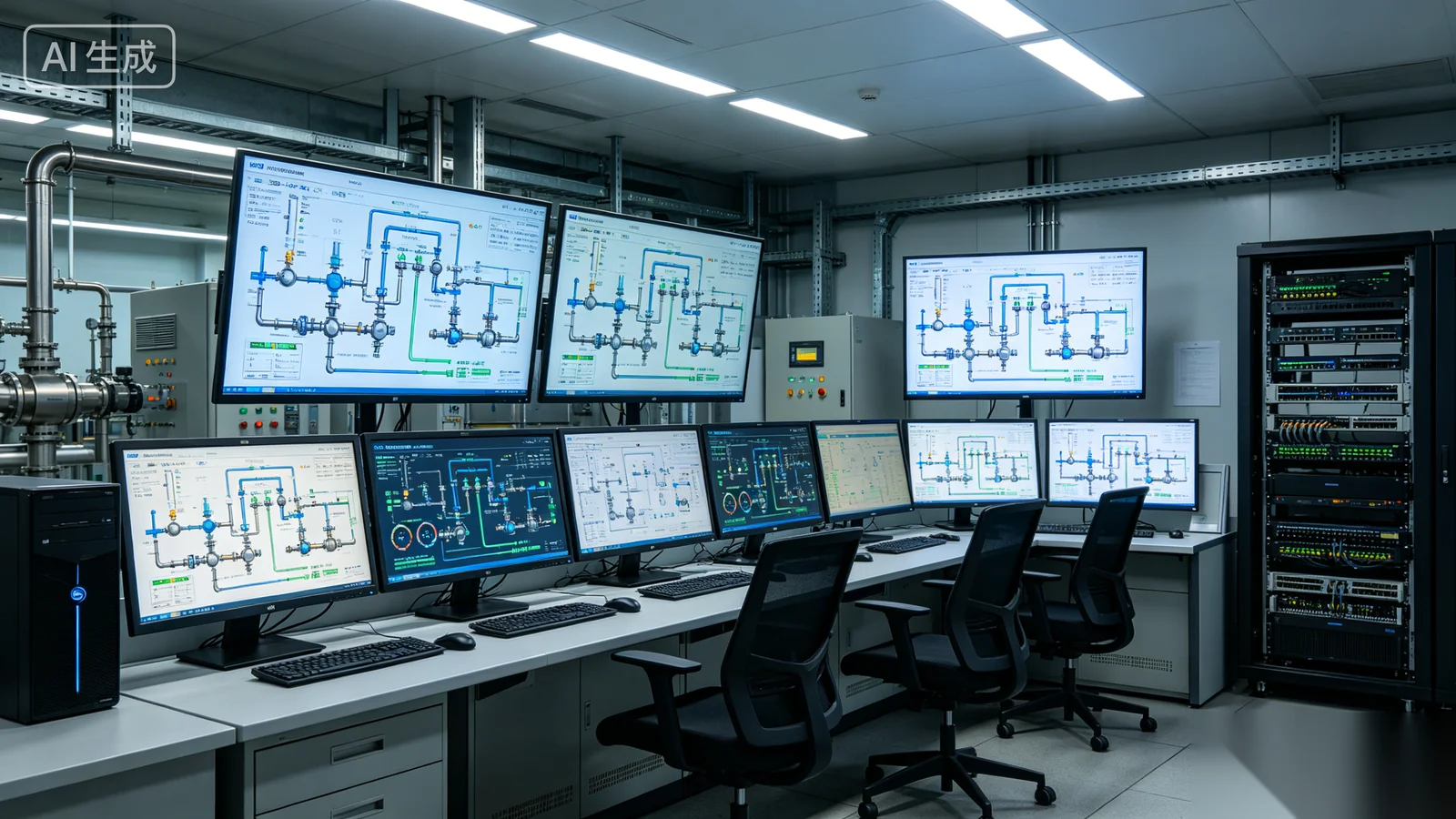
SCADA control room monitoring automated valve positions across an industrial plant
SCADA ReadyRemote monitoring

Smart Manufacturing

Industry 4.0 and Smart Factory Applications

The fourth industrial revolution is transforming manufacturing and process facilities through connected systems, data-driven operations, and intelligent automation. Valve gear operators play a critical role in this transformation by providing the mechanical foundation for smart valve systems in smart water facilities, smart chemical plants, automated power generation, digital mining operations, intelligent manufacturing facilities, and industrial utility networks. As Industry 4.0 continues to evolve, the demand for reliable, automation-ready valve infrastructure continues to grow — and gear operators specified today must support the connectivity requirements of tomorrow.

Smart Water Facilities

Automated valve networks with remote monitoring, flow control, and predictive maintenance capabilities — gear operators provide the mechanical interface for connected water infrastructure.

Smart Chemical Plants

Connected valve systems with real-time position feedback and integration with plant process control — supporting batch automation and continuous process optimization.

Automated Power Generation

Valve automation systems supporting efficient and reliable power plant operations — from boiler feedwater isolation to turbine bypass and auxiliary utility control.

Digital Mining Operations

Remote-controlled valve systems for mineral processing and slurry handling applications — high-torque gear operators sized for demanding automated isolation duty.

Intelligent Manufacturing Facilities

Valve automation integrated with production control and facility management systems — enabling coordinated process sequences and energy-efficient utility operation.

Industrial Utility Networks

Automated valve control for plant-wide utility distribution and energy management systems — steam, cooling water, and compressed air networks under centralized supervision.

Future-ready Valve Automation Infrastructure

Investing in automation-ready gear operators today ensures that valve systems can adapt to evolving Industry 4.0 requirements. Standardized ISO5211 interfaces, torque-verified performance, and manual override capability provide a stable mechanical platform for future actuator upgrades, intelligent position devices, and network protocol changes. Facilities that specify automation-ready topworks during initial construction avoid costly valve replacements when digital transformation programs expand — a practical strategy for owners planning multi-decade asset life cycles in connected industrial environments.

Smart factory with automated valve networks and Industry 4.0 control infrastructure
Industry 4.0Smart factory applications

Partner Support

OEM and System Integrator Support

The platform can help define requirements for comprehensive support for OEM manufacturers and system integrators who incorporate the gear operators under consideration into their valve automation solutions. OEM valve automation packages can be customized to meet specific project requirements with tailored mounting interfaces, special materials, and custom performance specifications. Engineering documentation including CAD models, technical datasheets, installation manuals, and product specifications ensures smooth integration into OEM systems. System integrators benefit from the published actuator-to-gearbox interface checklist, control interface configuration, and project-specific documentation that accelerates commissioning and reduces interface conflicts on automated valve projects.

OEM Valve Automation Solutions

Comprehensive OEM support including custom configurations, private labeling, and tailored engineering solutions for valve automation manufacturers. OEM programs harmonize ISO5211 patterns, ratio families, and documentation formats across a valve product line so integrators and end users encounter consistent interfaces. Prototype fit-up on customer valves, drawing approval, and locked manufacturing releases treat gear operators as part of the valve bill of materials — improving quality and reducing field adaptation on automation projects worldwide.

Custom Gear Operator Configurations

Custom engineering services for OEMs requiring specialized gear operator configurations for unique automation applications. Non-standard stem heights, high-torque ratios, special coating packages, and modified handwheel orientations address project-specific constraints without compromising automation readiness. The project review process collaborates during design phase to confirm actuator compatibility, torque margins, and override access before release to production — reducing RFIs and schedule risk on OEM automation programs.

Engineering Documentation Support

Complete technical documentation including CAD models, installation manuals, and product specifications for integration projects. Deliverables support system integrator bid packages, owner submittals, and FAT procedures with torque tables, mounting dimensions, and maintenance instructions formatted for O&M manuals. 3D models accelerate layout clash checks in congested pipe racks; 2D drawings support field installation and actuator wiring coordination. Documentation-first delivery is standard practice for OEM and integrator partners building automated valve solutions.

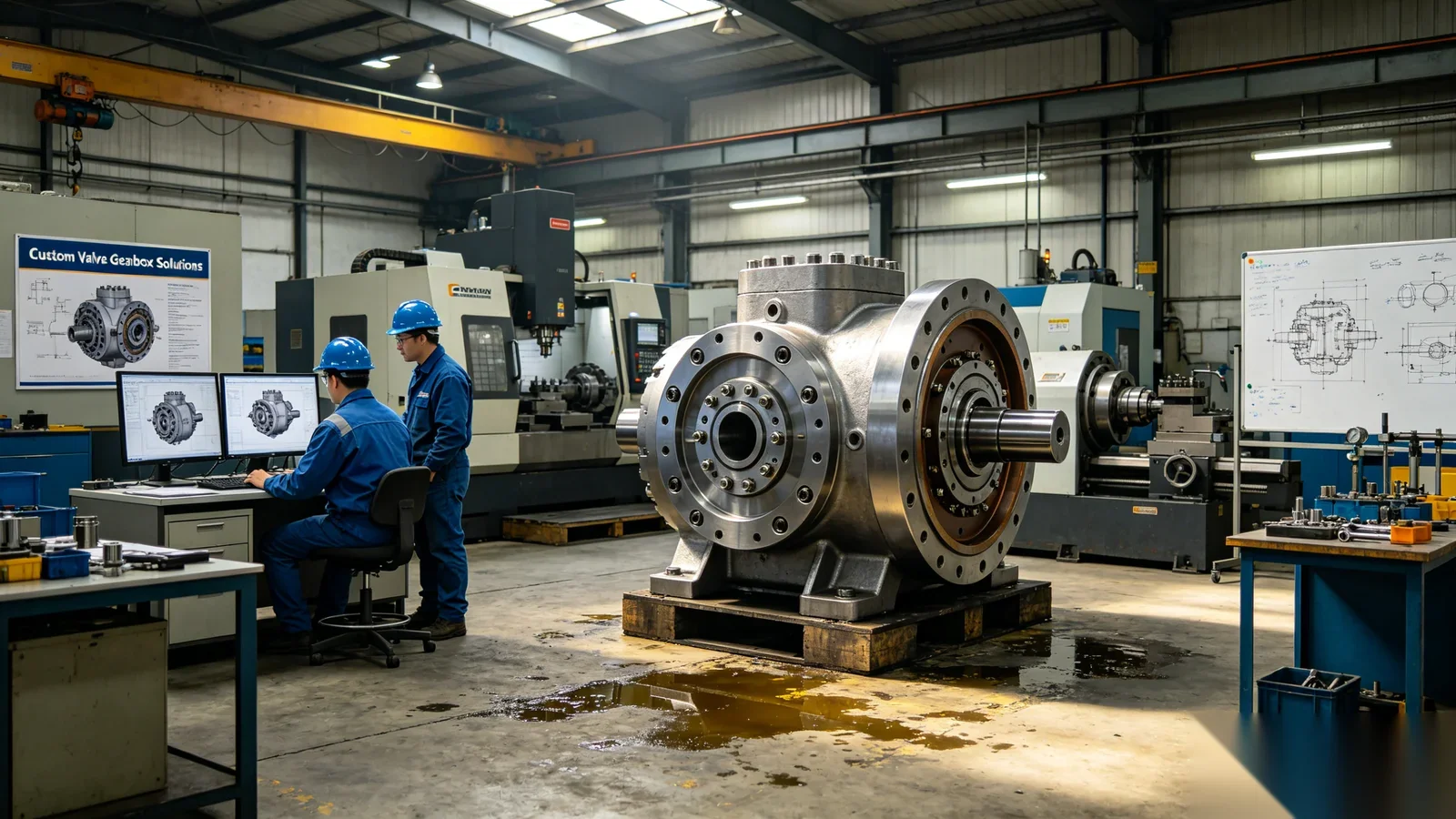
OEM engineering team configuring valve automation packages with gear operators
OEM / IntegratorAutomation support

Production Quality

Manufacturing and Quality Assurance

Precision CNC machining, torque verification, assembly inspection, and automation interface testing — manufacturing discipline aligned to reliable automated valve operation.

Reliable automated valve operation begins with precision manufacturing and rigorous quality control. A selected supplier must document access to advanced CNC machining centers for consistent dimensional accuracy and repeatable part quality. Gear manufacturing processes ensure smooth operation and long service life under actuator drive cycles. Torque verification testing confirms that each gearbox meets its specified performance parameters. Assembly inspection verifies proper alignment, sealing, and functionality of every unit before release to automation projects worldwide.

Precision CNC Machining

Consistent dimensional accuracy and repeatable quality across all gearbox components — ISO5211 interfaces and bearing bores held to released tolerances.

Torque Verification

Each gearbox tested to confirm it meets specified torque and performance requirements — results traceable to batch or tag when project ITPs require.

Assembly Inspection

Every unit inspected for proper alignment, sealing, and operational functionality — rotation smoothness and handwheel effort verified before shipment.

Automation Interface Testing

Mounting interfaces and input shaft configurations verified for actuator compatibility — dimensional checks against ISO5211 reference standards.

Surface Protection Inspection

Coatings and sealing systems evaluated for durability and corrosion resistance — protecting gear operators in demanding industrial automation environments.

Export Compliance

Products inspected to meet international industrial automation project requirements — marking, documentation, and protective packing for global shipments.

Client Value

Why Industrial Automation Clients Choose Our Solutions

Industrial automation clients choose our valve gear operators because of our deep engineering expertise in automation-ready gearbox design, our commitment to quality manufacturing, and our comprehensive support for OEM and system integration projects. We understand the specific requirements of automated valve systems and deliver products that perform reliably under demanding industrial conditions. Our global experience with automation projects across multiple industries ensures that our solutions meet the highest standards of performance and reliability — from initial specification through commissioning and long-term operational support.

Automation-ready gearbox designs

Seamless integration with electric actuators and control systems using standardized ISO5211 interfaces.

Electric actuator compatibility

ISO5211 mounting standards and torque-matched configurations verified for reliable automated operation.

OEM engineering assistance

Custom designs, CAD support, and technical documentation for valve automation manufacturers.

Smart factory integration capability

Industry 4.0 and connected industrial facility requirements supported from initial specification.

SCADA and DCS system compatibility

Centralized monitoring and control through actuator-ready gear operator infrastructure.

Precision CNC manufacturing

Consistent quality and reliable performance under ISO 9001 quality procedures.

Self-locking worm gear mechanisms

Safe and stable valve positioning without continuous actuator power during hold states.

Manual override capability

Backup operation during power interruptions, control failures, and maintenance procedures.

Global export experience

Comprehensive logistics and documentation support for international automation projects.

Technical consultation services

Actuator selection guidance and system configuration support for automation engineers.

Common Questions

Frequently Asked Questions

Can ythe gear operators under consideration be used with electric actuators?+

Automation compatibility must be verified for the selected gearbox, ISO 5211 interface, input shaft and actuator model. The preliminary review can compare torque inputs, but the valve maker and selected supplier must approve performance across the full stroke. Manual override paths remain available for maintenance and emergency operation when actuators are de-energized.

Do you support ISO5211 mounting standards?+

Yes. All the gear operators under consideration incorporate ISO5211 standard mounting interfaces, ensuring direct compatibility with actuators without requiring adapter plates or custom modifications. This simplifies procurement, installation, and future replacement — a practical advantage on large automated valve populations where standardized interfaces reduce spare parts complexity and commissioning time.

Can manual override functions be included?+

Yes. Manual override capability is a standard feature on the gear operators under consideration, allowing operators to maintain valve control during power interruptions, control system failures, or routine maintenance procedures. Declutchable and parallel handwheel options are available depending on actuator type and project requirements. Override procedures and torque effort data are documented for owner O&M manuals.

Do you support SCADA and PLC systems?+

Potential SCADA, DCS or PLC integration depends on the selected actuator, feedback devices, gearbox interface and approved control design. When paired with compatible actuators and position feedback devices, they provide reliable operation within comprehensive industrial control systems. Position monitoring, remote open/close commands, and interlock logic depend on consistent mechanical transmission — which must be confirmed by the selected supplier’s drawings, ratings and test evidence.

Do you provide OEM automation solutions?+

Yes. An RFQ may request comprehensive OEM support including custom gear operator configurations, private labeling options, engineering documentation, CAD models, and project-specific technical assistance for valve automation manufacturers and system integrators. OEM programs harmonize mounting patterns and documentation formats across product lines so automated valve packages integrate predictably into customer systems worldwide.

Need Reliable Valve Automation Solutions for Your Industrial Facility?

Whether you are designing a new automated valve system, upgrading existing manual valves to remote operation, or sourcing automation-ready gear operators for an OEM project, the project review process can help identify the most suitable solution for your application. Contact us for a technical consultation, actuator compatibility assessment, or project quotation — the RFQ and application review can cover automation projects from specification through commissioning.